Every building you’ve ever walked into started as builders’ idea. Maybe it was scratch on a napkin, or maybe it lived in someone’s head for years before it ever touched paper. But turning that idea into something real something with walls and weight and a front door is a long, disciplined journey. There are 7 stages of construction to that journey, and understanding them can make the difference between a project that succeeds and one that quietly falls apart.
Conception and Initiation
It always starts with a need. A company outgrows its office. A neighbourhood finally gets funding for a school. A developer drives past an empty lot and sees something others don’t. This first stage is about giving that need a shape asking the hard questions before any money moves. Is this project actually viable? Is the land right for it? Will the numbers work? A rough budget and timeline take form, and someone in a room decides: yes, we’re doing this, or no, we’re not.
It sounds straightforward, but the decisions made here echo through every stage that follows. A vague brief at the start is the seed of a costly argument six months down the line.
Design and Pre-Construction Planning
With the permission given, the architects and engineers start in. Design doesn’t happen all at a time. First come the rough drawings, the ideas on paper. Then those ideas get refined, detailed, challenged, and designed again. Eventually, everything is locked into precise construction documents the sketches and specifications that contractors will actually use to build.
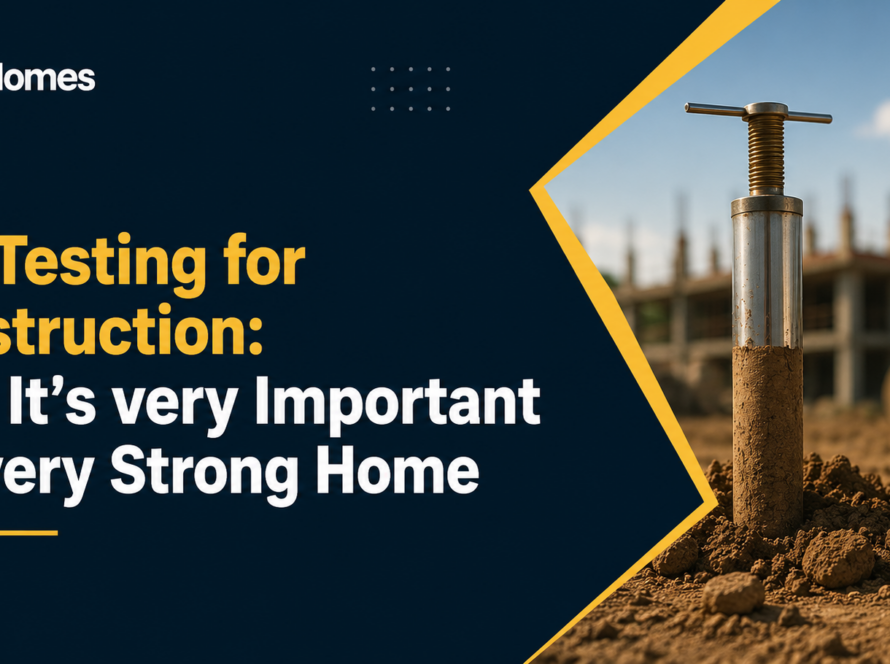
Running alongside all of this is the less glamorous work of planning permits, environmental checks, soil surveys, utility mapping. On complex projects, this stage can stretch for months or even years. That can feel frustrating, but the truth is that time spent here saves far more time later. A poorly documented design doesn’t just cause delays it causes disputes, and disputes cost everyone.
Procurement
Plans are finalised. Permits are secured. Now comes the business of actually finding the people and materials to make it happen. Contractors are invited to bid, their proposals are scrutinised, and contracts are awarded. But procurement isn’t just about labour it’s also about ordering the right materials at the right time. Steel, concrete, glazing systems, mechanical equipment much of this needs to be ordered months before it’s needed on site.
In a world of unpredictable supply chains, this stage demands foresight. A delayed shipment of structural steel doesn’t just slow down one task it can hold up an entire project. The teams who handle procurement well tend to be the ones who plan for problems before they arrive.
Site Preparation
Before anything can be built, the ground has to be made perfect. Trees are cleared. Old structures come down. The land is graded, shaped, and drained. Foundations require excavation, sometimes deep. Underground utilities are mapped and managed. Temporary site offices go up, fencing goes around the perimeter, and the safety signs that most passersby ignore are actually the result of careful planning.
For large projects, site preparation is a substantial undertaking in its own right. It’s unglamorous, often invisible work but get it wrong, and everything built on top of it pays the price.
Construction
This is the part everyone pictures. The cranes. The noise. The slow, almost miraculous transformation of empty land into something with floors and ceilings and rooms. It begins at the bottom the foundation, which carries every load down into the earth and works its way up. The structural frame rises. The envelope goes on, sealing the building from the weather. Then the inside begins to take shape pipes and wires threaded through walls, insulation packed in, plasterboard, flooring, finishes.
Behind all of it is a construction manager working constantly to keep dozens of subcontractors aligned, the schedule on track, the budget in check, and the site safe. It looks like controlled chaos from the outside. From the inside, it’s just controlled.
Inspection and Quality Assurance
As the work winds down, scrutiny ramps up. Building inspectors arrive to check that what was built matches what was approved and that it meets every relevant code structural, fire, accessibility, and more. The owner and architect walk the building with clipboards, producing what’s known as a punch list: a catalogue of anything that’s incomplete, wrong, or not quite right.
Every item on that list gets fixed before the project is considered substantially complete. This stage is not a rubber stamp it’s the last real chance to catch problems before they become permanent. The projects that sail through inspection tend to be the ones where quality was taken seriously from day one, not just at the end.
Close-Out and Handover
The building is done. Now comes the handover and it’s more involved than simply passing over a set of keys. The contractor puts together a comprehensive package as-built sketches showing exactly how everything was constructed, warranties for materials and systems, operation and maintenance manuals, and often hands-on training for the people who’ll be looking after the building day to day. A certificate of occupancy is issued only it confirming the building is legally safe to use.
Contracts are closed. Accounts are settled. And the project team who may have spent years working toward this moment steps back as the building begins its actual life.
For the home owner, it’s a rise. For others, it’s the end of a long road that started with builders’ idea and a blank paper. For more updates, stay tuned with our building contractors in Chennai.