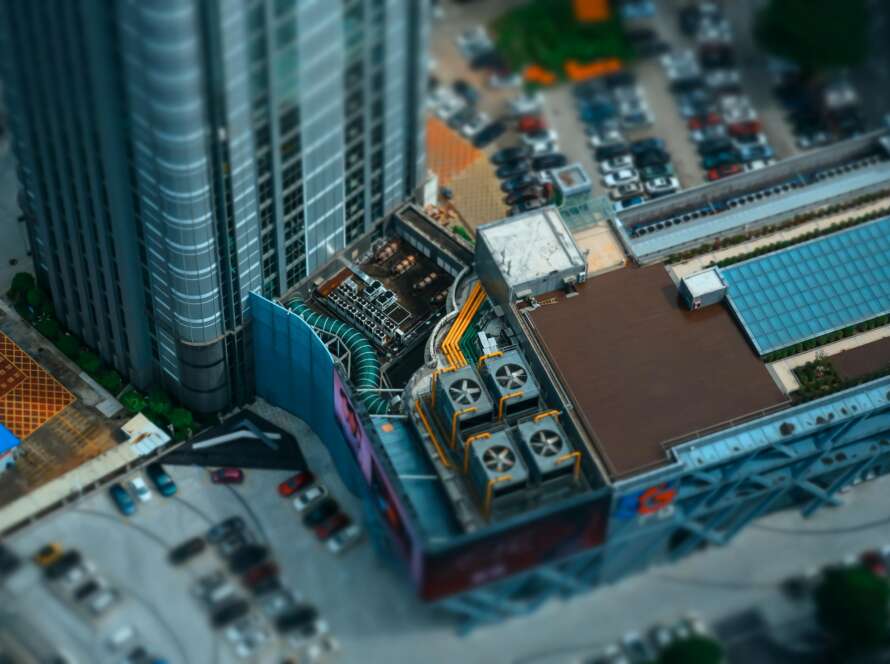
Commercial construction is one of those industries that silently shapes nearly everything around our environment. The office where you work, the warehouse that gets things to your door, the healthcare where your neighbours go when life gets hard all of it began with someone deciding to build something that didn’t exist yet. And right now, that someone is drive his way that isn’t slowing down for anyone. Here is the detailed view of commercial construction which helps you to building the future of business infrastructure.
So what actually is commercial construction?
clearly said, it’s the business of turning ideas into spaces offices, shopping areas, hotels, schools, hospitals, and everything in between. Far from building a home, these projects tend to be large, complex, and involve a whole cast of characters, developers, investors, architects, contractors, engineers, and local governments all trying to pull in the same way at the same time period.
Getting from a sketch on a napkin to a finished building means moving through a chain of steps checking if the numbers make sense, getting the design right, wading through permits, lining up materials and workers, actually building the thing, and finally handing over the keys. When each step connects cleanly to the next, projects run smoothly. When they don’t, costs and timelines have a way of running away from you.
Different sectors, very different stories
Commercial construction isn’t one single world it’s really several different ones, each dealing with its own pressures and possibilities.
Office construction has had to do some serious soul-searching since the pandemic. With so many people splitting time between home and the office, developers are building spaces that feel less like rows of desks and more like places people actually want to show up to collaboration areas, wellness rooms, and layouts that can flex as needs change.
Retail has taken real hits from online shopping, but it’s found a way to fight back. The stores and centres holding their own today tend to offer something a website simply can’t a meal, an experience, a fitness class, a genuine reason to leave the house.
Industrial and logistics construction, meanwhile, is having a moment. Every time someone taps “buy now,” there’s a warehouse somewhere that needs to exist to make that delivery happen. That demand shows no signs of letting up.
Hospitals and education buildings keep moving at a steady pace, driven by growing populations and aging communities that need more clinics, schools, and training facilities. Hospitality increases and falls with travel trends, but it remains a meaningful part of the picture.
The way things get built is changing
The biggest shifts happening right now are probably technological. Building Information Modelling BIM has become a standard part of how projects come together. It lets everyone work from the same detailed digital model of a building before construction even begins, which means fewer nasty surprises and fewer expensive mistakes. You can virtually walk through a finished space long before a single foundation is poured.
Drones are now a common sight on job sites, handling surveys and inspections that used to eat up far more time and money. Smart hard hats track workers’ health and flag safety issues in real time. Robots are starting to take on repetitive tasks laying bricks, pouring concrete with a steadiness that’s difficult for any human to maintain hour after hour.
Prefabrication is picking up steam too. Rather than building everything on-site from scratch, more components are being made in controlled factory settings and assembled on location. It’s faster, less wasteful, and a lot less vulnerable to a stretch of bad weather throwing the whole schedule off.
Green building isn’t a bonus anymore
A decade ago, sustainability was something a developer could choose to care about or quietly ignore. That ship has sailed. Tenants expect it, investors demand it, and regulations are increasingly making it non-negotiable. Certifications like LEED and BREEAM have become real markers of quality buildings that carry them attract better tenants and command higher rents.
Solar panels, smart HVAC systems, water-efficient fixtures, high-performance windows these aren’t premium add-ons anymore, they’re the baseline. The idea of a building that produces as much energy as it uses, once a distant aspiration, is becoming a realistic target on projects all over the world.
The hard problems haven’t gone away
For all the progress being made, commercial construction still wrestles with some stubborn realities. Finding skilled workers is genuinely difficult. Experienced tradespeople are retiring in large numbers, and not nearly enough young people are stepping into roles like electricians, plumbers, or structural steelworkers. Apprenticeship programs help, but there’s no shortcut through this one.
Supply chains remain a problem. The pandemic exposed just how quickly things can explain when global logistics hit a wall. Steel, lumber, concrete material prices can swing sharply, and when they do, project budgets feel every bit of it. Clever sourcing, identify prices earlier, and leaning on local suppliers where possible are how companies are trying to stay ahead of that risk.
Rising interest rates have made financing large projects more expensive, which means the numbers have to work harder before anyone commits to breaking ground. In some markets, that’s meant fewer projects getting started especially in office and retail, where demand is harder to predict.
What comes next?
Honestly The outlook is pretty solid. There’s strong demand across the board data centres, renewable energy infrastructure, public buildings, healthcare buildings, and the mixed-use developments being driven by growing urban populations. The e-commerce wave will keep needing warehouses. Cities will keep requires schools and hospitals.
The companies that will develop are the ones putting their money into the right technology, holding onto skilled people, taking sustainability seriously, and staying flexible enough to handle whatever the environment.
But at its key, commercial construction is still a people business. It moves on relationships, hard-won expertise, and a shared desire to build something that lasts spaces where businesses can develop, communities can come together, and people can do their ideas.
Our Impact Homes – Building contractors in Chennai expert planners, builders and managers understand the requirements needed for all phases of commercial/residential related projects. Stay tuned with us for more ideas, for free consultation make a call @+91 98402 92682.